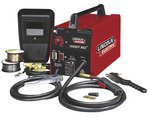
Welders typically use specific plug types depending on their power requirements. Common options include standard household plugs for small welders (120V) and industrial-grade plugs, like NEMA 6-50 or NEMA 14-50, for higher-powered welders (240V). The type of plug depends on the welder’s voltage and amperage needs, as well as local electrical standards.
What Kind of Plug Does a Welder Use?
Introduction
Selecting the correct plug for a welder is crucial for ensuring optimal performance and safety. With a wide variety of welder types and power requirements, understanding the plug you need can save you time, money, and potential electrical issues. This guide breaks down the most common plug types and factors to consider when choosing one for your welder.
Understanding Welder Power Requirements
Voltage Options: 120V vs. 240V Welders
Welders operate on either 120V or 240V power supplies, depending on their size and intended use:
120V Welders: These smaller, portable units are ideal for hobbyists or light-duty welding. They can plug into standard household outlets, making them convenient for home use.
240V Welders: Designed for heavy-duty or industrial applications, these require higher voltage and special outlets to handle their power needs.
Amperage Considerations
The amount of current (amperage) your welder needs plays a critical role in determining the plug type. Larger welders often demand 40-50 amps, while smaller units may only require 15-20 amps. Using the wrong plug could lead to insufficient power or electrical hazards.
Common Plug Types for Welders
Standard Household Plug (120V)
For 120V welders, a standard NEMA 5-15 or 5-20 plug is sufficient. These plugs are compatible with typical home outlets and support up to 20 amps. They’re suitable for smaller welders used for DIY projects or light repairs.
NEMA 5-15 Plug: This is the most common plug for household appliances and smaller welders. It fits into standard two-prong or three-prong outlets and is limited to 15 amps.
NEMA 5-20 Plug: A slightly upgraded version of the NEMA 5-15, this plug is designed for up to 20 amps and features a horizontal prong for added stability. It’s ideal for welders requiring slightly more power but still within the 120V range.
Suitability: These plugs make it easy to use welders in residential settings without needing specialized outlets or significant electrical upgrades.
NEMA 6-50 Plug (240V)
The NEMA 6-50 plug is one of the most commonly used for 240V welders. It’s designed to handle heavy power loads, making it ideal for most professional-grade welders.
Design Features: This plug includes three prongs: two for the hot wires and one for the ground. The sturdy construction ensures durability under demanding welding conditions.
Applications: NEMA 6-50 plugs are standard for medium-to-large welders used in workshops, garages, and industrial environments. They can handle up to 50 amps, making them suitable for welders with high power demands.
Compatibility: Ensure your welder and outlet are specifically designed for this plug type to avoid any mismatched connections.
NEMA 14-50 Plug (240V)
A NEMA 14-50 plug is often used for larger welders or applications requiring multi-purpose outlets. It supports higher amperage, typically up to 50 amps, and includes four prongs for added grounding and safety.
Four-Prong Design: Unlike the NEMA 6-50, this plug features an additional prong for a neutral connection. This setup allows for more versatile electrical use, including compatibility with some RVs and electric vehicle chargers.
High-Amperage Needs: The NEMA 14-50 is ideal for welders that require stable, high-capacity power for prolonged use.
Versatility: While primarily used for heavy-duty welders, this plug can also serve other high-power equipment, making it a flexible choice for workshops.
Other Plug Types
While less common, other plug types may be used for specialized welders or regional electrical standards.
Twist-Lock Plugs: Found in some industrial settings, these plugs ensure a secure connection by twisting into place. They are often used for welders that need a highly stable power source.
International Standards: Depending on your location, plugs like the IEC 60309 may be necessary. These are common in Europe and other regions for industrial-grade equipment.
Custom Configurations: Some high-end or unique welders may require proprietary plug designs. Always check the manufacturer’s recommendations.
Consult your welder’s manual or an electrician to determine if a less common plug is needed for your specific setup.
Factors to Consider When Choosing a Plug
Selecting the right plug for your welder is crucial for optimal performance, safety, and compliance. Here are the key factors to evaluate:
1. Welder Specifications
Understanding your welder’s power requirements is the first step in choosing the correct plug. These details are typically provided in the welder’s manual or on the machine’s nameplate and include:
Voltage: Whether the welder operates on 120V, 240V, or dual-voltage.
Amperage: The current draw of the welder, which determines the plug’s compatibility with your power source.
Plug Type: Some welders specify a particular plug, such as NEMA 6-50 or NEMA 14-50.
Using an incompatible plug can lead to:
Equipment Damage: Overheating, short circuits, or electrical surges.
Underperformance: Insufficient power delivery can result in weak welds or inconsistent operation.
Safety Hazards: Improper plugs increase the risk of electrical fires or shocks.
Double-check these specifications to ensure that the plug you choose aligns perfectly with your welder’s requirements.
2. Electrical Setup
Your home or workshop’s electrical system must be capable of safely powering your welder. Key considerations include:
Circuit Breaker Ratings: Ensure that the circuit breaker matches or exceeds the welder’s amperage requirements. For example:
A 50-amp welder requires a 50-amp breaker.
Installing a breaker that is too small will cause frequent tripping.
Oversized breakers may fail to trip during an overload, increasing fire risks.
Outlet Compatibility: Verify that your existing outlet matches the plug type for your welder. Common plug types include:
NEMA 6-50: Standard for most 240V welders.
NEMA 14-50: Often used for high-amperage welders. If your outlet doesn’t match, you may need to install a dedicated outlet for your welder.
Wiring Capacity: The wiring in your home or workshop must support the welder’s voltage and amperage. Check for:
Wire Gauge: For example, a 50-amp welder requires 6-gauge wire.
Insulation Quality: Older or damaged wiring may need replacement.
Length of Wiring: Longer wiring runs may require thicker wires to prevent voltage drops.
Dedicated Circuit: High-powered welders should ideally have their own circuit to avoid overloading shared circuits, which could disrupt other devices or create safety issues.
3. Local Electrical Codes
Adhering to local electrical codes ensures safety and avoids potential legal complications. These codes dictate the standards for wiring, outlets, and installation procedures.
Wiring Standards: Local codes specify:
Conductor sizes and materials, such as copper or aluminum.
Insulation requirements for specific environments (e.g., damp basements or outdoor workshops).
Outlet Placement: Codes may mandate:
Minimum distances between outlets and water sources.
Height requirements for outlets in residential and industrial spaces.
Grounding Requirements: Proper grounding is essential to prevent electrical shocks and ensure safe operation. This includes:
Grounded outlets (e.g., NEMA 6-50 plugs require grounding).
Compliance with local grounding protocols, such as the use of ground rods or bonded metal components.
Safety Protocols: Local codes often include rules on circuit breakers, arc fault interrupters (AFIs), and ground fault circuit interrupters (GFCIs) for added safety.
Failure to comply with these codes could result in fines, insurance issues, or hazardous working conditions. It’s advisable to consult a licensed electrician or your local building authority to confirm compliance.
Summary
Choosing the right plug for your welder involves more than matching components; it requires careful consideration of the welder’s specifications, your electrical system’s capacity, and adherence to local codes. By addressing these factors, you can ensure safe, efficient, and legal operation of your welding equipment. When in doubt, consult a professional electrician to avoid costly mistakes and potential hazards.
Adapters and Alternatives
Using Adapters
Adapters can allow welders to connect to outlets with different plug configurations, providing flexibility in certain situations. However, adapters should be used with caution:
Power Loss: Adapters can introduce resistance, leading to reduced power output and potential damage to the welder.
Safety Risks: Improperly rated adapters may overheat or fail, creating a fire hazard.
Temporary Solution: Use adapters as a short-term solution only; long-term use warrants proper outlet installation.
Extension Cords for Welders
When extension cords are necessary, use ones designed specifically for welding applications:
Heavy-Duty Design: Look for cords rated for the welder’s voltage and amperage.
Cable Length: Minimize cord length to reduce power loss and overheating risks.
Durability: Choose cords with tough insulation to withstand workshop conditions.
Professional Installation and Safety Tips
Importance of Professional Wiring
Hiring a licensed electrician to install a dedicated welding outlet ensures that your setup meets safety standards and is tailored to your welder’s requirements. Professional installation offers:
Correct Sizing: Ensuring the right wire gauge and breaker size.
Compliance: Meeting all local electrical codes.
Reliability: Reducing the risk of outages or equipment damage.
Safety Checks
Regular inspections can prevent accidents and prolong the life of your welding equipment:
Visual Inspection: Check plugs, cords, and outlets for fraying, discoloration, or wear.
Functional Testing: Test outlets and breakers periodically to ensure they are functioning correctly.
Timely Repairs: Replace damaged components immediately to avoid electrical hazards.
By considering these factors and taking the necessary precautions, you can ensure a safe, efficient, and compliant setup for your welding needs.
Conclusion
Choosing the right plug for your welder is essential for performance, safety, and compliance with electrical standards. By understanding your welder’s power requirements and consulting local codes, you can ensure a reliable and efficient setup. When in doubt, seek professional guidance to make the best choice for your welding needs.
When asking about welding machines, most answers seem to focus on the types of welding processes (MIG, TIG, stick, etc.). However, understanding the specific types of welding machines is equally important because each machine offers unique advantages, capabilities, and applications for different projects. Here’s an in-depth look at the most common welding machines and what they bring to the table.
What Are the Types of Welding Machines?
1. Inverter Welding Machines: Compact, Versatile, and Efficient
Inverter welding machines have revolutionized the welding industry with their advanced technology and unmatched portability. Unlike traditional transformer-based welders, inverter welders use silicon-based electronic components to efficiently convert alternating current (AC) into direct current (DC). This innovation provides greater control, reduced energy consumption, and a wide range of applications, making these machines a favorite among professionals and hobbyists alike.
What Sets Inverter Welding Machines Apart?
Inverter welders stand out for their ability to pack powerful performance into a compact design. Here’s a closer look at their unique features:
Compact and Portable: Inverter welders are significantly smaller and lighter than traditional welding machines. Their portability makes them ideal for working in tight spaces, remote locations, or areas with limited access. Many models weigh under 20 pounds, making them easy to transport and store.
Energy Efficiency: Inverter technology consumes less electricity compared to transformer-based machines, resulting in lower operating costs. They achieve high power output with reduced energy input, making them eco-friendly and cost-effective.
Precise Control: Equipped with digital interfaces, inverter welders allow users to fine-tune welding parameters such as current, voltage, and arc force. This precision ensures cleaner welds and reduces material waste.
Wide Voltage Compatibility: Many inverter welders operate on standard 110-volt outlets, making them accessible for home use without requiring high-voltage connections or industrial generators.
Advantages of Inverter Welding Machines
Versatility Inverter welders are compatible with multiple welding processes, including TIG, MIG, and stick welding. This versatility allows users to tackle a variety of projects, from light repairs to complex fabrications.
Reliability Built with solid-state electronics, inverter welders are durable and require less maintenance than traditional machines. Their stable arc performance ensures consistent weld quality, even in challenging conditions.
Adaptability Inverter welders are suitable for both small-scale and professional applications. Their ability to run on household power outlets and generators makes them a practical choice for workshops, construction sites, and fieldwork.
Cost-Effective While the initial cost of an inverter welder may be higher than that of a traditional machine, the long-term savings in energy consumption and maintenance make it a worthwhile investment.
Applications of Inverter Welding Machines
Inverter welding machines excel in a variety of settings, including:
Home Workshops: Perfect for DIY enthusiasts working on small-scale repairs or custom projects.
Construction Sites: Lightweight and portable, they are ideal for welding in hard-to-reach areas or elevated locations.
Automotive Repairs: Provide precise control needed for welding car panels, exhaust systems, and other delicate components.
Maintenance and Repairs: Frequently used for fixing machinery, metal structures, and equipment in industrial settings.
Advanced Features in Modern Inverter Welders
Modern inverter welders often come with innovative features that enhance usability and performance:
Pulse Welding: Allows precise heat control, reducing distortion and making it suitable for thin materials.
Hot Start Function: Provides an extra boost of current during arc initiation, ensuring a smooth start.
Anti-Stick Technology: Prevents the electrode from sticking to the workpiece, improving ease of use and efficiency.
Dual Voltage Capability: Some models can switch between 110V and 220V, providing flexibility for different power sources.
Considerations When Choosing an Inverter Welding Machine
Project Requirements: Assess whether the welder’s capabilities align with your projects, including the type of materials and welding processes needed.
Power Availability: Check if your workspace has the appropriate outlets or if you’ll need a generator.
Durability: Look for models with a robust build and reliable cooling systems to handle extended use.
Budget: While inverter welders offer long-term savings, consider your upfront investment and ensure it fits your needs.
Inverter welding machines have transformed the welding industry with their compact size, energy efficiency, and versatility. Whether you’re a professional welder or a DIY enthusiast, these machines offer the precision, reliability, and portability needed to tackle a wide range of projects. From home workshops to industrial job sites, inverter welders are a game-changing tool for modern welding applications.
2. MIG Welding Machines: Versatile and Beginner-Friendly
MIG (Metal Inert Gas) welding machines are among the most popular and widely used welding tools, valued for their versatility, ease of use, and efficiency. Whether you’re a novice welder or a seasoned professional, a MIG welder is often the first choice for tackling a broad range of projects, from small repairs to large-scale fabrications.
What Makes MIG Welding Machines Unique?
MIG welding machines simplify the welding process by automating the feeding of a continuous wire electrode through the welding gun into the weld pool. A shielding gas, typically argon, CO₂, or a mix of the two, protects the weld from atmospheric contamination, ensuring clean, high-quality results.
Key features that set MIG welders apart include:
Ease of Use: Designed to be user-friendly, making them ideal for beginners.
Speed: MIG welding is faster than many other welding processes, boosting productivity.
Versatility: Suitable for welding a wide variety of metals, including aluminum, stainless steel, and mild steel.
Clean Welds: Produces minimal spatter and requires less cleanup compared to stick welding.
Advantages of MIG Welding Machines
Beginner-Friendly
MIG welders are relatively easy to learn, requiring less skill and precision than TIG or stick welding.
They offer a smooth learning curve, allowing new welders to achieve professional results with minimal training.
Fast and Efficient
The continuous wire feed ensures a consistent arc and minimizes downtime.
MIG welding is especially efficient for long seams and repetitive welding tasks, saving time and effort.
Versatility in Materials
Can weld various metals and alloys, including aluminum, mild steel, stainless steel, and even some non-ferrous materials.
Suitable for thin sheet metal as well as thicker materials, depending on the machine’s settings.
Minimal Cleanup
Produces less spatter than stick welding, resulting in cleaner welds that require little post-weld cleanup.
Applications of MIG Welding Machines
MIG welders are widely used across industries and projects of all sizes. Some of their most common applications include:
Automotive Repairs: Ideal for welding car panels, exhaust systems, and other components that require precision and speed.
Metal Fabrication: Used in creating and repairing metal structures, furniture, and decorative items.
General Home Projects: Perfect for DIY tasks like fixing gates, fences, or making custom metalwork.
Industrial Applications: Frequently employed in manufacturing, construction, and shipbuilding for medium-duty tasks.
Features to Look for in a MIG Welding Machine
When choosing a MIG welding machine, consider the following features to ensure it meets your project requirements:
Adjustable Settings: Look for machines with adjustable voltage and wire feed speed to handle different materials and thicknesses.
Dual Voltage Capability: Some models can switch between 110V and 220V, providing flexibility for home and industrial use.
Spool Gun Compatibility: For welding aluminum, a spool gun attachment ensures smoother wire feeding and better results.
Built-In Gas Regulators: Simplifies the use of shielding gas by providing precise flow control.
Portability: Lightweight models with carrying handles or wheels are easier to transport between workspaces.
Shielding Gas for MIG Welders
Shielding gas is a critical component of MIG welding, protecting the weld pool from oxidation and ensuring a strong, clean bond. The type of gas used depends on the material and desired weld characteristics:
Pure Argon: Best for welding aluminum and non-ferrous metals.
CO₂: Cost-effective and commonly used for mild steel, though it may produce more spatter.
Argon-CO₂ Mix: A popular choice for balancing arc stability, penetration, and weld quality.
Limitations of MIG Welding Machines
While MIG welders offer many advantages, they also have some limitations to consider:
Not Ideal for Outdoor Use: Shielding gas can be disrupted by wind, making MIG welding less effective in outdoor settings without proper wind protection.
Higher Equipment Costs: The need for shielding gas, wire, and additional accessories increases the initial investment compared to stick welding.
Limited for Thick Metals: Although versatile, MIG welders may struggle with very thick materials unless paired with a powerful machine.
Modern Innovations in MIG Welding Machines
Advanced MIG welders now include features that enhance performance and usability:
Synergic Controls: Automatically adjust settings based on the material and thickness, simplifying operation for beginners.
Multi-Process Capability: Some MIG welders also offer TIG or stick welding functionality, providing versatility in one machine.
Digital Displays: Allow precise adjustments and real-time monitoring of parameters.
Spool Gun Integration: Ensures smooth feeding of softer wires like aluminum for consistent welds.
MIG welding machines are a versatile and efficient choice for welders of all experience levels. Their ease of use, speed, and ability to handle a variety of metals make them a staple in workshops, construction sites, and home garages. Whether you’re repairing a car, fabricating metal structures, or tackling DIY projects, a MIG welder is a reliable tool that delivers professional-quality results with minimal effort. By choosing a machine with the right features for your needs, you can enjoy the many benefits of MIG welding and achieve exceptional results in your work.
3. TIG Welding Machines: Precision Tools for High-Quality Welds
TIG (Tungsten Inert Gas) welding machines, also known as Gas Tungsten Arc Welding (GTAW) machines, are the pinnacle of welding technology for producing clean, precise, and aesthetically superior welds. Designed for tasks that require meticulous attention to detail, TIG welders are ideal for joining delicate or exotic materials where precision is paramount.
What Makes TIG Welding Machines Unique?
TIG welders stand out because of their ability to provide exceptional control over the welding process. Unlike other welding methods, TIG welding uses a non-consumable tungsten electrode to create the arc. This allows the operator to focus entirely on the weld pool and filler material (if required) for maximum accuracy. Shielding gas, typically argon or helium, is used to protect the weld pool from oxidation and contamination.
Key characteristics include:
Precise Heat Control: Enables welding of thin or intricate materials without distortion.
Versatility in Materials: Can weld a wide range of metals, including aluminum, copper, titanium, stainless steel, and nickel alloys.
Advantages of TIG Welding Machines
Unmatched Weld Quality
TIG welds are aesthetically superior, producing smooth, clean seams that meet high standards for both strength and appearance.
These welds are free from defects such as spatter, porosity, or cracking, making them ideal for structural and artistic applications.
Exceptional Control
TIG welders allow operators to precisely control heat input, arc stability, and filler deposition, providing maximum accuracy for detailed projects.
Foot pedals or fingertip controls enable real-time adjustments, ensuring optimal performance during the welding process.
Versatility in Applications
Suitable for welding a variety of materials, including thin sheets, delicate components, and exotic metals that are challenging for other methods.
Can perform autogenous welds (without filler material) on certain projects for seamless joints.
Cleaner Work Environment
TIG welding generates minimal fumes and sparks, making it a cleaner and safer option for indoor work environments.
Applications of TIG Welding Machines
TIG welding machines are widely used in industries that demand precision and quality. Common applications include:
Aerospace: Welding components such as turbine blades, fuel tanks, and airframes that require exceptional strength and accuracy.
Automotive: Ideal for custom fabrication, repairing exhaust systems, and welding thin or intricate car parts.
Artistic and Ornamental Work: Frequently used for creating sculptures, jewelry, and decorative metal pieces due to the clean, seamless finishes.
Medical Equipment: Essential for welding stainless steel and other materials used in surgical tools and medical devices.
Pipe Welding: Commonly used in industries like chemical processing and food production for welding thin-walled piping systems.
Features to Look for in a TIG Welding Machine
Choosing the right TIG welder ensures you can handle a variety of projects with ease. Consider the following features:
AC/DC Compatibility
AC is necessary for welding aluminum and magnesium, while DC is used for harder metals like steel. A machine with both capabilities provides maximum flexibility.
Pulse Welding Options
Pulse welding allows for better heat control, reducing distortion and improving weld quality, particularly on thin materials.
High-Frequency Start
Ensures easy arc ignition without contaminating the tungsten electrode, making it ideal for precision work.
Foot Pedal or Finger Controls
Enables real-time adjustments to amperage, giving the operator full control over heat input and arc stability.
Water Cooling Systems
For extended welding sessions or high-amperage tasks, water-cooled torches prevent overheating and extend the life of the equipment.
Shielding Gas for TIG Welding
The choice of shielding gas is crucial to achieving clean and defect-free welds. Common options include:
Argon: The most widely used shielding gas, providing excellent arc stability and weld quality across a variety of materials.
Helium: Enhances heat input, making it ideal for welding thicker materials or improving weld penetration.
Argon-Helium Mix: Offers a balance between arc stability and heat for challenging applications.
Limitations of TIG Welding Machines
While TIG welding machines offer unparalleled precision, they also come with certain limitations:
Skill Requirement: TIG welding demands a high level of expertise, as it requires the operator to coordinate the torch, filler material, and controls simultaneously.
Slower Speed: TIG welding is time-intensive compared to other methods like MIG or stick welding, making it less suitable for high-volume production.
Higher Costs: TIG welders, along with the necessary shielding gas and filler rods, tend to be more expensive than other welding systems.
Modern Innovations in TIG Welding Machines
Modern TIG welders incorporate advanced technology to enhance performance and usability:
Digital Displays: Provide precise control over settings and parameters, allowing for easy adjustments and repeatable results.
Multi-Process Capability: Some TIG machines now include MIG or stick welding functions, offering greater versatility in a single unit.
Lightweight and Portable Designs: Compact TIG welders are available for on-site work or tight spaces without compromising performance.
TIG welding machines are the go-to choice for welders who prioritize precision, cleanliness, and superior quality. While they require a higher skill level and more time than other welding methods, their ability to produce flawless results makes them indispensable in industries such as aerospace, automotive, and artistic metalworking. Whether you’re crafting intricate designs or repairing delicate components, a TIG welding machine offers unmatched control and craftsmanship to achieve the best possible results.
4. Stick Welding Machines
Stick welding machines, also known as Shielded Metal Arc Welding (SMAW) machines, are a cornerstone of welding technology, prized for their durability, simplicity, and versatility. These machines excel in outdoor and industrial settings, making them a favorite for heavy-duty projects and environments where other welding methods might falter.
What Makes Stick Welding Machines Unique?
Stick welding uses a consumable electrode (or “stick”) coated in flux. When the electrode melts, the flux coating burns to create a shielding gas and slag layer that protect the weld pool from atmospheric contamination. This self-contained process eliminates the need for external shielding gas, making stick welding highly portable and cost-effective.
Key characteristics of stick welding machines include:
Robust Design: Built to withstand tough working conditions, including wind, rain, and uneven surfaces.
Simplicity: Easy to set up and operate, making it a reliable option for both professionals and beginners.
Wide Material Compatibility: Suitable for welding a variety of metals, including steel, cast iron, and stainless steel.
Advantages of Stick Welding Machines
Weather Resistance
Unlike other methods, stick welding performs well in adverse weather conditions, such as wind or rain, where shielding gases might be disrupted.
This makes it ideal for outdoor projects like pipeline construction and structural repairs.
Cost-Effective
Stick welding does not require external shielding gas or complex equipment, reducing setup and operational costs.
Electrodes are relatively inexpensive and available in a variety of sizes and types to suit different projects.
Versatility
Stick welders can handle a wide range of materials and thicknesses, from thin sheet metal to thick steel plates.
They are compatible with different electrode types, allowing for various weld characteristics and applications.
Portability
Stick welding machines are compact and lightweight, making them easy to transport to remote job sites.
Their independence from external shielding gas adds to their portability and convenience.
Applications of Stick Welding Machines
Stick welding is widely used in industries and projects that demand durability and flexibility. Common applications include:
Construction: Welding structural steel beams, reinforcements, and heavy-duty equipment.
Pipeline Welding: Ideal for joining pipes in oil, gas, and water distribution systems.
Maintenance and Repairs: Frequently used for repairing farm equipment, machinery, and metal structures.
Industrial Work: Suitable for fabrication and assembly in manufacturing plants.
Shipbuilding: Used for welding ship hulls and other components exposed to harsh marine environments.
Features to Look for in a Stick Welding Machine
When selecting a stick welding machine, consider the following features to ensure it meets your needs:
Amperage Range
Machines with a wide amperage range can handle both thin and thick materials, providing greater versatility.
Duty Cycle
Choose a machine with a duty cycle that matches your workload. A higher duty cycle is essential for extended welding sessions.
Portability
Look for lightweight models with carrying handles for ease of transport, especially if you’ll be working in multiple locations.
Multi-Process Capability
Some stick welders also support TIG or MIG welding, adding flexibility for different types of projects.
Advanced Features
Hot Start: Provides a surge of current at the start of the weld to prevent sticking.
Anti-Stick Technology: Automatically reduces amperage if the electrode sticks to the workpiece, making it easier to detach.
Arc Force Control: Allows fine-tuning of the arc to improve performance on different materials and positions.
Electrode Selection for Stick Welding
The choice of electrode plays a critical role in the quality and characteristics of the weld. Common electrode types include:
6010: Provides deep penetration, making it ideal for root passes in pipe welding.
6013: Produces smooth welds with moderate penetration, suitable for thin materials.
7018: Delivers high-strength welds with a smooth finish, often used in structural welding.
Each electrode type has specific applications and amperage requirements, so selecting the right one is essential for achieving optimal results.
Limitations of Stick Welding Machines
While stick welding machines are versatile and robust, they do have some limitations:
Less Aesthetic Welds: Stick welds may require more cleanup due to slag and spatter compared to TIG or MIG welding.
Slower Process: Stick welding is generally slower than MIG or flux-cored welding, especially for long welds.
Skill Requirement: While relatively straightforward, stick welding requires practice to master electrode control and arc stability.
Modern Innovations in Stick Welding Machines
Advancements in stick welding technology have enhanced usability and performance:
Inverter-Based Stick Welders: Compact and energy-efficient, these machines offer precise control and are easier to transport.
Digital Interfaces: Provide real-time monitoring and fine-tuning of welding parameters.
Multi-Voltage Options: Machines that can operate on 110V or 220V provide flexibility for home and industrial use.
Stick welding machines are a reliable and cost-effective choice for heavy-duty welding tasks in challenging environments. Their simplicity, durability, and adaptability make them a staple in construction, maintenance, and industrial applications. Whether you’re welding pipelines in adverse weather or repairing machinery on a farm, stick welders deliver the strength and versatility needed to get the job done. With the right machine, electrodes, and technique, stick welding remains one of the most robust and dependable welding methods available.
5. Multi-Purpose Welding Machines: Versatility and Cost-Effectiveness
Multi-purpose welding machines are game-changers in the welding industry, offering the ability to perform multiple welding processes with a single unit. Designed to save time, space, and money, these machines are ideal for welders who need versatility across a variety of projects without the hassle of switching between different machines.
What Are Multi-Purpose Welding Machines?
Multi-purpose welding machines combine several welding processes, such as MIG, TIG, stick, and flux-cored welding, into one compact and portable unit. This flexibility allows operators to handle a wide range of welding tasks, making these machines a practical choice for small workshops, construction sites, and even DIY enthusiasts.
Key features include:
Versatility: Switch between welding methods seamlessly to suit different materials and applications.
Cost-Efficiency: Eliminates the need to purchase multiple machines for different processes.
Compact Design: Lightweight and portable, making them easy to move and store.
Advantages of Multi-Purpose Welding Machines
Adaptability
Multi-purpose machines can handle a variety of tasks, from delicate TIG welds on thin materials to heavy-duty stick welding for thick steel.
This versatility makes them suitable for projects in automotive repair, construction, manufacturing, and home workshops.
Space-Saving Design
A single machine capable of multiple welding processes reduces clutter in your workspace.
Perfect for small workshops or job sites where space is limited.
Cost-Effective
Investing in a multi-purpose welder is often more affordable than buying separate machines for MIG, TIG, and stick welding.
Lower maintenance costs, as only one machine requires upkeep.
Convenience
Switching between welding processes is simple and efficient, saving time during multi-step projects.
Many models come with user-friendly interfaces, making them accessible for both professionals and beginners.
Applications of Multi-Purpose Welding Machines
Multi-purpose welding machines are widely used in various industries and settings due to their versatility:
Automotive Repairs: Ideal for welding car panels, exhaust systems, and structural components.
Construction: Suitable for structural welding, pipe welding, and on-site repairs.
Manufacturing: Commonly used for fabricating metal products and prototypes in factories.
Home Workshops: Perfect for DIY enthusiasts tackling a range of projects, from metal furniture to machinery repair.
Features to Look for in a Multi-Purpose Welding Machine
When selecting a multi-purpose welder, consider the following features to ensure it meets your needs:
Supported Welding Processes
Ensure the machine includes the processes you need, such as MIG, TIG, stick, and flux-cored welding.
Some advanced models also support plasma cutting, adding even more functionality.
Amperage Range
A wide amperage range allows for greater flexibility, enabling the machine to handle thin materials and heavy-duty tasks.
Voltage Compatibility
Dual-voltage machines (110V/220V) provide the flexibility to work in various environments, from home workshops to industrial sites.
Digital Controls
Digital interfaces simplify the setup process and allow for precise adjustments to welding parameters.
Portability
Look for lightweight models with carrying handles or wheels for easy transport between job sites.
Duty Cycle
A higher duty cycle ensures the machine can handle extended welding sessions without overheating.
Limitations of Multi-Purpose Welding Machines
While multi-purpose welders offer many advantages, they do have some limitations:
Complexity: The versatility of these machines may come with a steeper learning curve for beginners.
Cost: While cost-effective compared to buying multiple machines, multi-purpose welders can be more expensive upfront than single-process machines.
Performance Trade-Offs: Some models may not perform as well as dedicated machines for specific welding processes.
Modern Innovations in Multi-Purpose Welding Machines
Advancements in welding technology have made multi-purpose machines more efficient and user-friendly:
Inverter Technology: Modern multi-purpose welders use inverter technology, making them lighter, more energy-efficient, and capable of precise adjustments.
Synergic Settings: Automatically adjust parameters like voltage and wire feed speed based on the material and thickness, simplifying operation.
Advanced Cooling Systems: Prevent overheating during prolonged use, increasing the machine’s lifespan.
Comparison of Common Multi-Purpose Models
Model
Processes Supported
Voltage
Key Features
Everlast PowerMTS
MIG, TIG, Stick, Flux-Cored
110V/220V
Digital display, pulse TIG, dual voltage
Lincoln Electric MP
MIG, TIG, Stick
120V/230V
Lightweight, intuitive controls
Forney Easy Weld
MIG, Stick, Flux-Cored
120V
Beginner-friendly, portable
Multi-purpose welding machines are an excellent investment for anyone who needs flexibility and efficiency in their welding projects. By combining multiple welding processes into one unit, these machines save space, reduce costs, and streamline operations. Whether you’re a professional welder tackling diverse industrial tasks or a DIY enthusiast working on various home projects, a multi-purpose welding machine offers the versatility and performance you need to get the job done.
6. Spot Welding Machines: Precision Tools for Sheet Metal Assembly
Spot welding machines are specialized devices designed to join sheet metal by applying heat and pressure at precise points. Known for their efficiency and reliability, these machines are indispensable in industries where speed, precision, and strength are paramount. Spot welding’s unique approach to joining materials makes it a staple in automotive manufacturing, industrial production, and various applications requiring clean, strong welds.
What Are Spot Welding Machines?
Spot welding machines focus heat and pressure on a small, localized area using two copper electrodes. The heat generated by electrical resistance between the electrodes melts the material, and pressure is applied to fuse the sheets together. This process eliminates the need for filler material, making spot welding efficient, cost-effective, and clean.
Key characteristics include localized heat that minimizes distortion to surrounding areas, no filler material needed which simplifies the process and reduces material costs, and repetitive precision perfect for tasks that require consistent, repetitive welds, such as in mass production.
High efficiency as spot welding is a fast process, capable of producing multiple welds in seconds, making it ideal for high-volume production environments. Cost-effective as it eliminates the need for filler material, reducing overall costs, and has low energy consumption compared to other welding methods. Creates strong welds that withstand significant mechanical stress, ideal for load-bearing assemblies.
Produces clean and neat welds with minimal spatter or residue, requiring little to no post-weld cleanup, and leaves a small, uniform weld mark, maintaining the aesthetics of the workpiece. Environmentally friendly with fewer emissions compared to other welding processes, making it a greener choice for manufacturers.
Applications of Spot Welding Machines
Spot welding is widely used in industries that require fast, reliable, and consistent welds. Common applications include the automotive industry for welding body panels, brackets, and frames, ensuring structural integrity in vehicles while maintaining a sleek finish. Manufacturing is used in the production of household appliances, industrial equipment, and furniture, such as washing machines, refrigerators, and filing cabinets.
Electronics use spot welding to join thin metal components in batteries, circuit boards, and other electronic devices. Aerospace applies it in the assembly of lightweight aluminum or titanium components to ensure strong, reliable bonds. Construction uses it for welding thin sheet metal in architectural applications, including HVAC systems and ductwork.
Features to Look for in a Spot Welding Machine
Electrode design is important, and machines with adjustable electrode tips can accommodate different material thicknesses. Control options in advanced models offer programmable settings for controlling heat, pressure, and weld duration, ensuring precision and consistency. Power capacity ensures the machine has sufficient power to handle the materials you plan to weld, from thin sheets to thicker panels. Portability is ideal for smaller, lightweight models suitable for on-site repairs, while larger machines are better for production lines. Cooling systems, such as integrated water-cooling, prevent overheating during prolonged use, improving efficiency and extending machine life.
Types of Spot Welding Machines
Manual spot welders are operated by hand and are ideal for small-scale projects and repairs, often used in workshops and by hobbyists. Pneumatic spot welders use pneumatic pressure to automate the welding process, ensuring consistent force and weld quality, commonly found in manufacturing facilities. Portable spot welders are lightweight and compact, designed for on-site welding and repairs. Robotic spot welders are integrated into automated production lines and provide unmatched precision and speed for large-scale manufacturing.
Limitations of Spot Welding Machines
Material thickness is a limitation as spot welding is primarily suited for thin sheets of metal, and welding thicker materials may require additional equipment or alternative methods. It is limited to overlapping joints as spot welding works best for lap joints where one piece overlaps the other, making it not ideal for other joint configurations. High initial cost as advanced spot welding machines, especially robotic models, can be expensive, though the investment is offset by efficiency and durability.
Modern Innovations in Spot Welding Machines
Advancements in spot welding technology have enhanced efficiency and broadened applications. Programmable Logic Controllers (PLCs) allow operators to set precise welding parameters, ensuring consistent quality across multiple welds. Servo-controlled spot welders provide accurate control of pressure and heat for intricate welding tasks. Advanced cooling systems, such as water-cooled electrodes and systems, reduce downtime caused by overheating.
Spot welding machines are an essential tool for industries that rely on fast, efficient, and precise welding of sheet metal. Their ability to produce strong, clean welds without filler material makes them a cost-effective choice for automotive, manufacturing, and electronics applications. Whether you need a compact portable unit for repairs or a robotic welder for mass production, spot welding machines offer unparalleled efficiency and reliability for repetitive tasks. With the right machine and setup, spot welding delivers exceptional results in any application requiring precision and speed.
7. Plastic Welding Machines
Plastic Welding Machines: Specialized Tools for Plastic Fabrication
Plastic welding machines are uniquely designed to join and repair plastic materials. Unlike traditional metal welding, plastic welding involves processes tailored to the unique properties of plastics, using heat, pressure, or ultrasonic vibrations to create strong, seamless bonds. These machines are essential for industries where plastic materials play a critical role, such as automotive, packaging, and construction.
What Are Plastic Welding Machines?
Plastic welding machines utilize various techniques to fuse plastic parts by melting the base material and sometimes adding filler material. These processes are precise, efficient, and versatile, enabling seamless repairs and the fabrication of custom plastic components. The primary methods include hot air welding which uses a jet of hot air to soften the plastic surfaces for bonding, extrusion welding which combines heated plastic filler material with the softened base material to create strong welds for larger components, and ultrasonic welding which applies high-frequency vibrations to melt and bond plastics at the molecular level without requiring external heat.
Advantages of Plastic Welding Machines
Plastic welding machines offer versatility as they can weld various types of plastics, including PVC, polyethylene, polypropylene, and acrylics. They are suitable for a wide range of tasks, from repairing plastic tanks to fabricating complex components. They provide precision and seamless results by producing clean, uniform welds that often require no additional finishing. They offer precise control over heat and pressure for delicate or intricate applications.
They are environmentally friendly as they allow for the repair of damaged plastic parts, reducing waste and the need for new materials, and use less energy compared to traditional metal welding. They are cost-effective by reducing the need for adhesives or mechanical fasteners, lowering material costs, and durable welds minimize the need for frequent replacements or repairs.
Applications of Plastic Welding Machines
Plastic welding machines are indispensable in industries that rely heavily on plastic materials. Common applications include the automotive industry for repairing plastic bumpers, dashboards, and fuel tanks and fabricating lightweight, durable components for vehicles. The packaging industry creates airtight seals for plastic packaging, containers, and films, and produces custom designs for branding and product protection.
The construction and infrastructure industry joins plastic pipes and fittings for water, gas, and chemical distribution systems, and repairs or fabricates large plastic tanks, liners, and roofing membranes. The medical industry fabricates medical devices and equipment from biocompatible plastics and ensures seamless, hygienic bonds for sterile environments. Consumer goods involve repairing household items like plastic furniture, appliances, and toys and crafting custom parts for DIY projects and hobbyists.
Features to Look for in a Plastic Welding Machine
Consider the welding method and determine the appropriate method based on your application, such as hot air, extrusion, or ultrasonic welding. Some machines combine multiple techniques for added versatility. Temperature control is essential, and machines with precise temperature settings can handle different types of plastics without overheating or distortion.
Portability is important, and lightweight, compact models are ideal for on-site repairs or mobile work environments. Power and speed matter, as machines with higher power output and faster operation are suitable for industrial applications requiring quick turnaround times. Attachments and nozzles are important, and ensuring compatibility with a variety of nozzles and attachments is necessary for different welding tasks.
Types of Plastic Welding Machines
Hot air welders use a stream of hot air to soften and bond plastic materials and are ideal for small to medium-sized repairs and fabrication. Extrusion welders combine heated filler material with the base material for strong, durable welds and are suitable for large-scale or industrial projects like tank repairs. Ultrasonic welders use high-frequency vibrations to create precise, clean bonds without external heat and are commonly used in electronics, medical devices, and high-precision applications. Infrared welders employ infrared radiation to melt plastic surfaces for a contact-free bonding process and are useful for sensitive applications where contamination must be avoided.
Limitations of Plastic Welding Machines
While plastic welding machines are highly versatile and efficient, they have certain limitations. Material compatibility can be an issue as not all plastics are weldable, and some may burn or degrade under heat. Always confirm the plastic type before welding. Achieving strong, clean welds requires training and practice, especially for intricate tasks. Equipment cost can be high, especially for advanced machines like ultrasonic or infrared welders, though they provide unmatched precision and reliability.
Modern Innovations in Plastic Welding Machines
Advancements in plastic welding technology have expanded their capabilities and improved user experience. Automated systems like robotic plastic welders ensure consistent, high-quality welds for large-scale manufacturing. Digital interfaces offer precise control over temperature, pressure, and timing for repeatable results. Eco-friendly designs incorporate energy-saving features and recyclable components to reduce environmental impact.
Plastic welding machines are essential tools for industries and applications that rely on strong, seamless bonds in plastic materials. Their versatility, precision, and cost-effectiveness make them invaluable for automotive, packaging, construction, and medical applications, among others. Whether you’re repairing a plastic tank, fabricating custom parts, or creating airtight seals, a plastic welding machine provides the technology and functionality needed to achieve professional-grade results. By choosing the right machine and mastering its operation, you can tackle any plastic welding project with confidence and efficiency.
Evolution of Welding Machines: From Blacksmithing to Modern Technology
Welding technology has evolved dramatically over the centuries, transforming from simple manual processes into advanced, precision-driven techniques that cater to the demands of modern industries. The journey from blacksmiths hammering heated metals together to today’s sophisticated welding machines highlights the continuous innovation that has shaped the welding industry.
The Origins of Welding
Welding dates back thousands of years to when blacksmiths used basic tools to heat and hammer metals into shapes and bonds. This early form of welding relied entirely on manual labor and high-temperature heat sources, such as forge fires. While effective for its time, this process was labor-intensive and lacked precision, making it unsuitable for complex or large-scale applications.
The Industrial Revolution: Advancing Welding Techniques
The industrial revolution in the 18th and 19th centuries brought significant advancements in welding. The development of oxyfuel welding introduced the use of a controlled flame to melt and join metals. This method marked the transition from manual heating to more precise and efficient processes, enabling faster production in industries like construction, railroads, and shipbuilding.
Oxyfuel welding combined a mixture of oxygen and fuel gases, such as acetylene, to create a high-temperature flame. Arc welding, invented in the late 1800s, used an electric current to create an arc between an electrode and the workpiece, generating intense heat for melting metals.
The 20th Century: The Rise of Specialized Welding Machines
The 20th century saw the emergence of specialized welding machines tailored for specific applications. Advancements during this period included shielded metal arc welding (stick welding) introduced in the early 1900s, using a flux-coated electrode to shield the weld pool from contamination. MIG welding, developed in the 1940s, enabled faster welding with a continuous wire electrode and shielding gas, revolutionizing automotive and industrial manufacturing.
TIG welding, also developed in the 1940s, provided greater precision and control, ideal for welding thin materials and exotic metals like aluminum and magnesium. Spot welding was developed for high-speed production, particularly in the automotive and electronics industries.
Modern Innovations in Welding Machines
In recent decades, welding technology has continued to evolve with the integration of advanced materials, digital systems, and innovative processes. Modern welding machines offer unparalleled precision, efficiency, and versatility, enabling welders to tackle increasingly complex projects.
Inverter technology introduced lightweight, energy-efficient welding machines with precise digital controls. Multi-purpose welders combined multiple welding processes, such as MIG, TIG, and stick welding, into a single unit for greater versatility. Robotic welding systems are used in automated production lines for consistent, high-quality welds at scale. Advanced cooling systems improved durability and efficiency for extended welding sessions.
The Role of Welding in Modern Industries
Today, welding machines are indispensable tools in industries such as aerospace, automotive, construction, shipbuilding, and manufacturing. The ability to weld diverse materials with precision and speed has expanded the scope of what can be created, repaired, or fabricated. From delicate medical devices to large-scale infrastructure projects, welding technology continues to shape the world we live in.
Choosing the Right Welding Machine
Selecting the right welding machine is crucial for achieving optimal results in your projects. The choice depends on various factors, including the type of materials you’ll work with, your skill level, and the specific applications you need to address.
Factors to Consider
Project requirements involve determining the type of welding best suited for your projects. For example, MIG welding is ideal for fast, efficient tasks, while TIG welding is better for precision work. Material type is important to consider since metals like aluminum and stainless steel may require specialized machines like TIG welders, while thicker steel plates might benefit from stick welding.
Skill level matters as beginners may prefer MIG or multi-purpose welders for their ease of use, while professionals might opt for advanced TIG machines or robotic systems. Portability is necessary for lightweight and portable models if you need to work on-site or in tight spaces. Budget and cost efficiency are essential as inverter-based and multi-purpose machines often provide excellent value due to their versatility and energy efficiency.
Matching Welding Machines to Applications
MIG welding is ideal for automotive repairs, general fabrication, and light to medium-duty tasks. TIG welding is best for precision work on thin materials or exotic metals, such as aluminum and magnesium. Stick welding is suitable for outdoor and heavy-duty applications, such as pipeline and structural welding. Spot welding is perfect for joining thin sheet metal in high-volume production settings. Multi-purpose machines provide flexibility for workshops or professionals handling diverse projects.
The Future of Welding Machines
As technology advances, welding machines are becoming more intelligent, efficient, and adaptable. Innovations such as artificial intelligence, machine learning, and enhanced automation are likely to redefine welding processes, enabling even greater precision and efficiency. Sustainable practices, such as energy-efficient designs and reduced emissions, will also play a critical role in the evolution of welding technology.
Conclusion
The evolution of welding machines showcases the industry’s ability to adapt and innovate to meet the demands of an ever-changing world. From traditional blacksmithing methods to today’s advanced digital systems, welding has become an integral part of modern manufacturing and construction. Choosing the right welding machine for your needs ensures you can tackle any project with confidence, precision, and efficiency. By understanding the history, capabilities, and applications of welding machines, you can make informed decisions that lead to successful and professional-grade results.
Welding helmets are an essential piece of safety equipment for anyone working in the welding trade. A good welding helmet not only protects your eyes and face from sparks, spatter, and harmful radiation but also enhances your performance by providing clear visibility and comfort. So, how much does a quality welding helmet cost? The answer depends on several factors, including features, build quality, and brand reputation. Let’s explore the price ranges and what you can expect from a good welding helmet.
What Defines a Good Welding Helmet?
A good welding helmet is an essential piece of safety equipment that not only protects the welder but also enhances their efficiency and comfort during tasks. The quality of a welding helmet can significantly impact a welder’s productivity, safety, and overall satisfaction with their work. Here’s a deeper look at the features that define a good welding helmet:
Auto-Darkening Lenses
Auto-darkening technology is one of the most sought-after features in a modern welding helmet. Unlike fixed-shade helmets, which require the welder to flip the visor up and down, auto-darkening helmets automatically adjust the lens shade when the arc is struck. This ensures consistent eye protection against harmful UV and IR radiation, regardless of the light intensity.
Benefits: Welders can seamlessly switch between tasks without interruption, enhancing efficiency and reducing fatigue.
Advanced Models: High-quality auto-darkening helmets offer adjustable sensitivity and delay settings, allowing welders to customize their experience based on specific tasks and environments.
Adjustable Shade Range
Welding processes such as MIG, TIG, and stick welding produce varying levels of brightness and require different lens shades. A good welding helmet provides an adjustable shade range, typically between #8 and #13, ensuring compatibility with multiple welding methods.
Flexibility: Welders can easily switch between processes without needing a separate helmet.
Precision: The ability to fine-tune the shade level helps reduce eye strain and improves visibility, allowing for more precise welds.
Lightweight Design
Welding sessions can be physically demanding, especially during extended projects. A lightweight helmet reduces strain on the neck and shoulders, preventing fatigue and potential discomfort.
Comfort: Helmets made from lightweight materials like polycarbonate or advanced composites offer excellent durability without added weight.
Improved Focus: Reduced physical strain allows welders to maintain concentration and produce higher-quality work.
Durable Build
Welding environments expose helmets to high temperatures, sparks, and impact hazards. A good welding helmet is constructed from heat-resistant, impact-resistant materials that can withstand these challenges.
Longevity: Investing in a durable helmet ensures long-term use, minimizing the need for frequent replacements.
Safety Assurance: High-quality materials provide reliable protection against spatter, sparks, and falling debris.
Lens Clarity
Optical clarity is a critical factor for welders aiming for precision and accuracy. The lens clarity of a welding helmet is measured on a 1/1/1/1 scale, with the highest ratings offering exceptional visibility.
High Definition: Premium helmets provide a clear, undistorted view of the workpiece, making it easier to maintain accuracy.
Enhanced Productivity: Clear lenses reduce the risk of errors, allowing welders to complete tasks efficiently.
Additional Features That Enhance Functionality
Beyond the basic requirements, good welding helmets may include additional features to enhance usability:
Wide Viewing Area: A larger viewing window provides better visibility and situational awareness.
Integrated Grinding Mode: Allows welders to switch to a mode optimized for grinding tasks without removing the helmet.
Rechargeable or Solar-Powered Lenses: Energy-efficient power sources reduce downtime and maintenance.
Why These Features Matter
These features collectively make a welding helmet more efficient and user-friendly. A good helmet not only ensures safety by protecting against harmful radiation, sparks, and debris but also enhances productivity by providing a comfortable and customizable user experience. Whether for a novice welder or a seasoned professional, investing in a high-quality helmet is essential for achieving safe and efficient results.
Price Ranges for Welding Helmets
The cost of welding helmets can vary significantly, depending on the features, materials, and level of technology incorporated. Understanding these price ranges can help you choose the right helmet for your needs and budget. Here’s an expanded look at what each price category typically offers:
Entry-Level Helmets ($50–$150)
Entry-level welding helmets are designed with affordability in mind, making them an excellent choice for beginners, occasional hobbyists, or those on a tight budget. These helmets prioritize essential protection over advanced features.
Features: Basic fixed-shade lenses or manually adjustable lenses are common in this category. Some models may include a basic auto-darkening lens but with fewer sensors and slower reaction times.
Build Quality: Typically constructed from standard materials, these helmets are functional but may lack the durability needed for heavy-duty or prolonged use.
Target Audience: Hobbyists working on DIY projects or those learning the basics of welding often find these helmets adequate.
Drawbacks: Limited adjustability, basic comfort features, and lower-quality optics can make these helmets less suitable for professional or extended use.
While entry-level helmets fulfill the minimum safety requirements, they are better suited for light-duty tasks rather than intensive welding projects.
Mid-Range Helmets ($150–$300)
Mid-range helmets are a step up in quality and functionality, making them a popular choice for professionals and frequent welders. They balance performance and cost, offering advanced features at a reasonable price.
Features: Auto-darkening lenses with adjustable shade levels are standard in this range, often supported by two or more sensors for improved responsiveness. These helmets may also include variable sensitivity and delay settings to accommodate different welding processes.
Comfort and Fit: Adjustable headgear and lightweight construction enhance comfort during longer welding sessions. Some models feature padding or ergonomic designs for added support.
Versatility: Suitable for various welding techniques, such as MIG, TIG, and stick welding, these helmets often include grind mode settings for multitasking.
Build Quality: Better materials and construction ensure increased durability, making them a reliable option for regular use.
Mid-range helmets are ideal for welders looking for a dependable and versatile helmet without breaking the bank. They strike a perfect balance between affordability and performance.
High-End Helmets ($300–$800+)
High-end welding helmets cater to experienced professionals and industrial applications where precision, durability, and advanced features are paramount. These helmets are built to handle demanding projects and environments.
Features: Advanced auto-darkening lenses with fast reaction times and multiple sensors ensure maximum responsiveness and protection. High-end helmets often come with features like wide viewing areas, integrated digital controls, and memory settings for personalized configurations.
Optical Clarity: Superior clarity ratings (e.g., 1/1/1/1 on the optical clarity scale) provide welders with a clear, distortion-free view of their work, enabling greater precision and accuracy.
Comfort: Lightweight materials like carbon fiber or polycarbonate are used to minimize neck strain. Premium headgear with multiple adjustment points ensures a secure and comfortable fit.
Durability: Built to withstand harsh industrial conditions, these helmets offer extended lifespans and are often backed by comprehensive warranties.
Special Features: Some models include features like auto-grind mode switching, compatibility with respirator systems, and solar-powered batteries.
High-end helmets are an investment for serious professionals who require top-tier performance and durability. Their advanced features make them worth the cost for welders tackling complex or high-stakes projects.
Choosing the Right Price Range
When selecting a welding helmet, consider your skill level, the frequency of use, and the types of welding projects you undertake. Entry-level helmets may suffice for occasional or hobbyist use, while mid-range models offer a solid blend of functionality and affordability for regular welders. High-end helmets, though costly, provide unparalleled performance and comfort, making them essential for demanding professional environments. Investing in a quality helmet not only ensures safety but also enhances your efficiency and overall welding experience.
Factors Influencing the Cost of Welding Helmets
The price of welding helmets can vary widely based on several key factors. Understanding these elements can help you make an informed decision when selecting a helmet that balances cost, functionality, and safety.
1. Technology
Advanced technology is one of the most significant contributors to the cost of a welding helmet. Key technological features include:
Auto-Darkening Lenses: Helmets equipped with auto-darkening lenses adjust the shade automatically in response to the brightness of the welding arc. Higher-end helmets have faster reaction times, often measured in milliseconds, and multiple sensors to ensure consistent shading even in complex welding positions.
Number of Sensors: Entry-level helmets may have two sensors, while mid-range and high-end models can feature four or more. Additional sensors improve the helmet’s ability to detect changes in light, especially when welding in tight or obstructed spaces.
Digital Controls: Some helmets feature digital interfaces for precise adjustment of shade levels, sensitivity, and delay times. These controls allow welders to customize their helmet settings for specific tasks, adding convenience and flexibility.
Special Modes: Helmets with grind mode, cutting mode, or memory settings for personalized configurations often come with a higher price tag due to their versatility.
2. Brand Reputation
The brand name attached to a welding helmet can also influence its price. Established manufacturers like Lincoln Electric, Miller, and ESAB are known for their quality, reliability, and safety features, which often justifies their higher prices. These brands also invest in research and development to create innovative products, further adding to their value. While lesser-known brands may offer similar features at a lower price, they may not provide the same level of durability, warranty coverage, or customer support.
3. Safety Certifications
Welding helmets that meet rigorous safety standards tend to cost more, but they also provide peace of mind and compliance with workplace regulations. Common certifications include:
ANSI Z87.1: Ensures the helmet meets impact resistance and optical clarity standards.
CSA Standards: Indicates compliance with Canadian safety requirements.
EN Standards: Demonstrates adherence to European safety guidelines.
Certified helmets are particularly important for professional welders working in industrial environments where safety compliance is mandatory. While uncertified helmets may be cheaper, they could compromise safety and lead to increased risk of injury.
4. Build Quality and Materials
The construction and materials used in a welding helmet play a significant role in determining its cost:
Lightweight Materials: High-quality helmets often use materials like polycarbonate or carbon fiber, which are durable yet lightweight, reducing strain during extended use.
Durability: Helmets designed for industrial applications are built to withstand high temperatures, impacts, and harsh conditions, increasing their longevity and price.
Comfort Features: Padded headgear, ergonomic designs, and multiple adjustment points improve user comfort but add to the overall cost.
5. Additional Features
Welding helmets with extra features may command a higher price. These can include:
Wide Viewing Areas: A larger lens allows for better visibility and improved precision during welding.
Solar-Powered Batteries: Some helmets use solar-powered cells to extend battery life, reducing maintenance costs over time.
Respirator Compatibility: High-end helmets designed for industrial environments may include or support integration with powered air-purifying respirators (PAPRs).
Balancing Cost and Features
When choosing a welding helmet, consider the features that are essential for your specific needs. For occasional or hobbyist use, a helmet with basic safety features may suffice, while professionals should prioritize advanced technology, certifications, and durability. While higher-priced helmets may seem costly upfront, their superior performance and longer lifespan often make them a worthwhile investment.
Benefits of Investing in a Quality Welding Helmet
A quality welding helmet is not just an accessory; it is an essential piece of safety equipment that can greatly impact your welding performance and overall experience. Below are the key advantages of investing in a high-quality helmet:
Enhanced Safety
The primary role of a welding helmet is to protect the welder from hazards such as:
UV/IR Radiation: Prolonged exposure to ultraviolet (UV) and infrared (IR) radiation can cause severe eye damage, including arc flash, and long-term skin problems. High-quality helmets provide full protection, ensuring the wearer’s eyes and skin are shielded even when the lens is not in the darkened state.
Spatter and Debris: Welding often generates sparks and molten metal splatter. A sturdy helmet with heat-resistant materials prevents injuries caused by flying debris.
Consistent Protection: Advanced features like auto-darkening lenses ensure that the welder is always shielded during arc strikes, eliminating the risk of accidental exposure.
Improved Productivity
A quality helmet enhances productivity by minimizing distractions and downtime:
Better Visibility: Helmets with clear, high-resolution lenses and wide viewing areas allow welders to see their workpiece more clearly, resulting in precise welds and fewer errors.
Faster Adjustments: Auto-darkening helmets eliminate the need to repeatedly flip the helmet up and down between welds. This not only saves time but also reduces neck strain, allowing for smoother workflow.
Adaptability: Features like adjustable shade levels and sensitivity settings make it easy to switch between different welding tasks without changing helmets.
Durability
Quality welding helmets are designed to withstand the rigors of demanding work environments:
Longer Lifespan: Premium helmets use durable materials such as polycarbonate or carbon fiber, which can endure high temperatures, impacts, and prolonged use without degrading.
Cost-Effectiveness: While the initial investment may be higher, a durable helmet reduces the need for frequent replacements, saving money in the long term.
Comfort
Comfort is critical for welders who spend extended periods wearing their helmets:
Lightweight Designs: High-quality helmets are engineered with lightweight materials that reduce neck and shoulder fatigue, even during long welding sessions.
Adjustable Fit: Features like padded headgear, adjustable straps, and ergonomic designs ensure a snug fit, allowing welders to focus on their tasks without discomfort.
Ventilation: Some helmets incorporate ventilation systems to reduce heat buildup, keeping the welder cool and comfortable.
Enhanced Performance
By combining safety, comfort, and visibility, a good welding helmet allows welders to perform at their best. It reduces the likelihood of mistakes and ensures consistent weld quality, which is particularly important for professional and high-stakes projects.
Investing in a quality welding helmet is not just about meeting safety standards; it’s about improving your overall welding experience. Whether you’re a hobbyist or a seasoned professional, the right helmet can boost your confidence, productivity, and long-term satisfaction in your craft.
Tips for Choosing the Right Welding Helmet
Selecting the perfect welding helmet is an investment in your safety, productivity, and comfort. With a variety of options available, it’s important to make an informed decision that matches your specific needs. Below are some practical tips to guide you through the selection process:
Identify Your Needs
The first step is understanding how you plan to use the helmet:
DIY Projects: For occasional or light-duty use, entry-level helmets with basic features may suffice. Look for affordability and essential protection without unnecessary extras.
Professional Welding: Professionals require more advanced features like auto-darkening lenses, adjustable shade ranges, and superior durability to handle frequent use across various welding tasks.
Industrial Applications: In heavy-duty or industrial settings, prioritize helmets with premium safety certifications, enhanced durability, and features designed for high-stakes work environments.
Matching the helmet’s features to your workload ensures optimal performance without overpaying for features you don’t need.
Compare Features
Welding helmets come with a wide range of features. Prioritize the following to find the right balance between functionality and cost:
Auto-Darkening: These lenses automatically adjust to changing light conditions, providing seamless protection and reducing the need to manually flip the helmet.
Adjustable Shade Ranges: Choose helmets with a wide shade range (e.g., 8–13) to accommodate different welding processes like MIG, TIG, and stick welding.
Number of Sensors: Multiple sensors (typically 3–4) improve responsiveness and ensure the lens darkens appropriately, even in awkward positions.
Viewing Area: A larger viewing area offers better visibility, which is essential for precision work.
Grind Mode: Some helmets include a grind mode for non-welding tasks, making them versatile for other metalworking applications.
Test for Comfort
A welding helmet should be as comfortable as it is protective, especially if you’ll be wearing it for long periods:
Adjustable Fit: Look for helmets with padded headgear and adjustable straps to ensure a snug and secure fit.
Lightweight Design: Opt for helmets made from materials like polycarbonate or carbon fiber, which reduce strain on your neck and shoulders.
Ventilation: Some helmets offer ventilation to keep you cool and prevent fogging during extended sessions.
Trying the helmet on, if possible, is the best way to assess its comfort and usability.
Read Reviews
Customer reviews provide valuable insights into the reliability, performance, and durability of a helmet:
Real-World Feedback: Learn from the experiences of other welders to identify potential issues or standout features.
Brand Reputation: Established brands like Lincoln Electric, Miller, and ESAB typically receive positive reviews for their commitment to safety and quality.
Long-Term Use: Look for comments about how well the helmet holds up over time, especially under demanding conditions.
Check for Warranties
A good warranty is an indicator of the manufacturer’s confidence in their product:
Length and Coverage: Look for warranties that cover at least 2–3 years and include protection against defects in materials or workmanship.
Customer Support: Choose brands known for responsive customer service and hassle-free warranty claims.
A solid warranty not only protects your investment but also provides peace of mind in case of unexpected issues.
Consider Your Budget
While it’s tempting to choose the cheapest option, investing in a quality helmet with essential features often saves money in the long run by reducing the need for replacements or repairs. Balancing cost with functionality ensures you get the best value for your money.
By following these tips, you can confidently choose a welding helmet that meets your needs, enhances your productivity, and keeps you safe on the job.
Conclusion
The cost of a good welding helmet can range from $50 for basic models to over $800 for high-end options. Choosing the right helmet depends on your welding needs, budget, and desired features. Investing in a quality helmet not only ensures safety but also enhances your efficiency and comfort. Whether you’re a hobbyist or a seasoned professional, finding the right welding helmet is a critical step in achieving success in your projects.
Many think that the most important part of the welding process is the actual welder. We’re sorry to tell you this but, it’s not. The accessories that you have are a key part of keeping you in the game when it comes to welding – we just tend not to think about this important fact. Why do we say this? Have you considered the effect that any welding process would have on your eyesight if you didn’t have a pair of welding goggles? Or even a mask?
This guide will introduce you to the factors that should be considered when you begin your search for welding gear.
What factors go into buying welding accesories?
Where are you going to be welding?
A factor that many simply don’t take into consideration when they begin searching for welding gear is the actual place where the welding will be done. The gear you bring when you’re in a welding shop is completely different from the gear you’ll need if you’re doing the welding outside surrounded by other individuals. What do we mean? Well, if you’re in an actual welding shop, then they will likely have the necessary equipment to keep others safe from the hazards accompanied by welding – there will also very likely not be as many people in the surrounding areas.
If you’re outside you’ll likely need to buy your own welding curtain or something of the like to keep others safe from your welding.
Video credits to Howcast. It goes over a way to set up an indoor workshop to weld in.
What welding process will you use?
There are various different methods involved in welding, each of which involves different types of accessories. For this guide though, we will stick with gas welding – an activity that requires ventilation masks so the wearer doesn’t deal excess damage to their lungs.
Size of the item / welding space
As a prerequisite one should always consider the size of the item they are considering purchasing. If it doesn’t fit, then you will likely not be able to enjoy the benefits that it’s meant to provide. Outside of the wearable products one should consider the space they have available for the item – this is another major consideration to keep in mind when it comes to the size of the item. If you purchase an item that it is too large for the available space then you will have to go through the process of switching it out and returning – it’s probably best that you measure the space you have available before you decide to purchase anything.
Durability
Of course, you’ll want to make sure that whatever you’re purchasing is going to be able to stand the tests of time (and excessive use). The best way to do this is to pay a great deal of attention to the type of materials that the equipment is made of. Another easy way would be to look at comparison reviews of the item you have in mind – this is an easy way to gauge the longevity of an item in comparison to another equally valuable item.
Budget
Regardless of your income you want to make sure that the item you purchase will be able to fit inline with your budget. For the majority of welding accessories (unless you purchase the best items available, in which case you have to expect to spend a pretty penny) you won’t have to spend a ton of money. In fact, on most of the items you can expect to spend surprisingly small sums of money.
What type of Welding Accessories
Facial Protection
If you don’t have facial protection, then you likely don’t understand how dangerous welding can seriously be. Despite the exposure to harmful gases and bright lights, you have to worry about a whole plethora of other potential hazards (hazards that we will discuss in another post). Now, to avoid these hazards it’s probably best that you purchase equipment to keep you out of harm’s way.
Safety Goggles
There are various names for them but, for the most part they are known as welding goggles. These handy little tools are the key to making sure that your eyes are safe from sparks and any debris that your face may come into contact with during the process. These tools are also very good for keeping gasses out of your eyes during the weld as well.
Welding Helmets
Some people think that getting a pair of welding glasses is all that you need in order to stay safe – we’re here to say that there is literally no truth in that. A pair of welding goggles will keep your eyes safe but, a welding helmet will keep your entire face safe.Welding helmets keep the skin on your face safe from shrapnel and from the possible damage the gases can have on your face.
*the above photos gives examples of injuries that when the body is unprotected near a blast site / combustible objects / flying objects and welder’s flash.
Hand Protection
While all welding gloves are simply called “Welding Gloves”, they are all made with different purposes in mind. There are gloves made specifically for TIG, MIG, and Stick welding. Each of which will be broken down in subsections.
MIG: MIG welding is a process that is known for producing a fair amount of splatter as well as for generating a decent level of heat. Aside from this, MIG welding is also known for giving operators more dexterity since users are able to operate a welding gun equipped with a trigger that ca activate / deactivate the process. For this reason, many MIG welding gloves are made of denser leathers that are capable of handling more heat.
TIG: TIG welding has been said to produce much less heat than MIG which implies that one should be able to use much thinner gloves.
Stick: Much like MIG welding stick welding is an activity that is known for producing a high level of heat – which means that the gloves one uses must be relatively thick and capable of preventing your hands from being burned.
Protecting the torso
Aside from welding gloves other parts of the body, mainly the torso, will need to be protected. The common accessories made to protect an individual’s torso are aprons and jackets, as these are the objects that will provide the most protection for this part of your body. When purchasing either of these accessories it’s important to pay attention to the materials that they are made of. Much like the MIG welding gloves that we discussed in the above section, you’ll want to make sure the welding gloves you choose are designed from a thick leather – otherwise they will get burned through and won’t help much (since they’ll expose your hands).
Ventilation
When you’re TIG welding, you want to make sure that you have respiratory equipment, aka breathing masks and things of that nature. If there isn’t proper ventilation in the area that you weld in then you will likely inflict permanent damage on your lungs (something that no one wants to happen).
There are various different pieces of equipment designed specifically to provide respiration while welding – each of which will be covered in a later review by us.
Welding Shield
As we mentioned earlier in the review, it’s imperative that you make sure to purchase a welding curtain of some sort if you weld in a completely open space. This will make sure that your welds aren’t causing immense damage to those around you.
The purpose of this guide is to inform you of the specific materials that you’ll need (and are commonly used) to continue to weld efficiently. Depending on the type of welding you’ll be engaging in you’ll need different things – but that’s what we’re here for, to make sure you make the most informed purchasing decisions.
Specialty Welding boots may sound like something that is easy to overlook when it comes to establishing your welding accessory list, am I right?
The truth is, just about every professional welder knows how important a solid pair of welding boots truly is. Just ask any welder who has had to weld overhead, I can almost guarantee you when they speak in saying that they were or were almost burned, it’s from experience, not hearsay. This is where having one of the best welding boots comes into play. You need to have something that can withstand the heat, stay durable, and not reduce your efficiency on the job.
A couple of key things you need to make sure your choice boot has:
Extremely tough and rugged, these are sure to last. They have specifically been built with a tough sole to prevent slippage in damp working conditions. The Dr. Martens MG ST is built with double stitching and heavy duty laces and lace eyelets. Shall we go on?
The uppers on these boots are water resistant and built of full grain leather designed to withstand the elements that mother earth gives us. Expect a nice bit of ankle padding and a removable insole designed to provide that extra comfort that you wouldn’t expect. A steel toe guard rounds out the list of awesomeness about this particular welding boot.
Pros
Excellent non-skid tread
Lightweight vs other steel-toe boots
Cons
The sole can be soft
Consider adding to gain arch support
Timberland PRO Men’s 53530 Metguard Steel Toe Boot
Developed specifically for welders, this Timberland 53530 as a fantastic metatarsal guard that provides exceptional protection. Designed to conform to the wearer’s natural foot shape, they’re much more comfortable than what you’d expect from a welding boot. Waterproof and high-quality kevlar stitching help to round out the fantastic characteristics of this boot. Roomy steel toe caps help keep your toes safe in a violent and dangerous work environment, and rubber sole makes this great for working in wet and oily workspaces.
These boots are a bit heavier than others on the market, but it’s because they’re designed to be so durable. A downside to these boots is that users have reported of the backstitching slowly coming apart, causing them to have a shorter lifespan than some are hoping to achieve for the price.
Pros
Immediately comfortable
Full-coverage protection
Cons
A little heavy
Can be sized slightly narrow
Rocky Duty Men’s Modern Paraboot
This surprisingly fashionable pair of hardened leather boots is made to protect. They have a patent leather cap toe that will prevent splatters from harming your foot as well as an all leather design. Their long 10” design is meant to fully cover the leg and provide a level of full-coverage of sorts. The EVA footbed will also ensure that the foot is incredibly comfortable during any o your welding activities. Considering the fact that you will likely spend a great deal of your time welding on your feet, this can be a great help. The rubber lugged outsole is also helpful for allowing you to maintain your grip during work.
Pros
Padded footbed
Knee-high coverage
Cons
Not very supportive
Order half a size down
Caterpillar Men’s Assault Work Boot
The assault 6 in steel toe is designed to provide full coverage for your forefoot during work; these boots are meant to provide excess security for those who work the more hazardous jobs. They feature CAT’s climasphere inner lining and insole, making them another incredibly comfortable option for those who use them. Also, the slip-resistant outsole of these boots gives adequate grip – a feature that will definitely come in handy during work. These are a great option for those individuals who require a bit more durability from their boots.
In an industry that exposes the body to high levels of heat and danger – such as welding- it is of the utmost importance that one places a high degree of importance on finding adequate protection for their body. Not only does welding put one’s lungs and facial features in danger of but it also places the hands at the mercy of the heat. With that being said, welding can be dangerous, if the body doesn’t have sufficient gear protecting it.
Thus, it is very important to usesafety tools while welding so that one can take out the best from the process without causing diseases. It is very important to protect one’s hands while welding, as the sparks, can cause critical burns and even make the person disabled and losing function of his hands. The list of the best welding gloves of 2018 has been compiled to make sure that our readers have access to the highest quality material there is on the market. Not only do we want to make sure that you have access to the best welding gloves but, we also want to make sure that you stay away from those gloves that protect nothing – not even themselves – from the hazards of welding.
One of the major issues that many gloves were experiencing decades ago is that they lacked any level of comfort. For example, unlike gloves that were made before the start of the 21st century, the gloves that welders wear nowadays feature things such as custom linings (cotton, fur etc.) that greatly enhance their comfort levels. One of the major reasons why gloves weren’t worn (and welders were getting damaged so often) was that the gloves fit horribly. Fit is another criteria that we have to put a lot of emphasis on during our reviews – because of the important part that it plays in providing wearers with a comfortable experience.
Video credits to Kevin Caron, Artist. It goes over how to pick the safest welding gloves.
Flame Resistance
While the entire purpose of having welding gloves on during a weld is to make sure that your hands are protected from flames, not all gloves are created equally in this respect. The majority of welding gloves are created from a leather material with the most prominent materials being: Elkskin, Cowhide, Deerskin, Pigskin, and Goatskin leathers. Of course, throughout the review we will make sure to inform you of the type of leather that each glove is made of (because of the importance that it plays in making sure that you are safe.
Density
The denseness of the welding glove plays a much bigger part in your safety than making sure that your hands are protected from the flames. The denseness of the glove’s materials lets you know what they are meant to be used for. Look below to see the denseness of each glove material particular denseness and what they are meant to be used for.
Elkskin: Relatively soft compared to the other leathers that welding gloves are made of and is best used for stick welding
Cowhide: When you think of cow skin leather think of the leather that footballs are made of. It’s one of the thickest leather materials for welding gloves featured on this guide and is best for MIG welding.
Deerskin: Fine grain deerskin leather typically comes in at 1.25mm to 2mm thick and is best for MIG welding.
Pigskin: Grain lining pig skin leather is typically .5-.7mm thick and gloves made of this material is best for stick welding.
Goatskin: Goatskin leather is traditionally 1 mm thick and is suitable for TIG, MIG, and Stick welding
What do you check when you purchase welding gloves?
We can keep our hands safe while welding by using heavy-duty gloves which are fire and heat resistantto allow for continuous welding even when there are lots of sparks.
The gloves should be made out of lightweight material in order to allow for continuous use without tiring the hands.
We also need to check theventilation of these gloves so that our hands do not reach uncomfortable temperatures due to the heat generated during the welding process.
Welding Glove Reviews
US Forge 400 Lined Leather Welding Gloves
The US Forge 400 aims to provide complete comfort as well as protect the hands from the dangerous sparks and molten metal coming fromwelding processes. The gloves are made using soft and supple leather to provide for ease of use while welding for longer periods. US Forge has used its years of experience to further make the Forge 400 an excellent welding glove by adding an internal cotton liner for increased comfort and protection. The multi layering effect that the US Forge gloves have ensures that they are able to provide ample protection to your hand, which makes them great for MIG welding.
The gloves feature a unique lock stitching process, which ensures a tighter grip and allows the gloves to be used roughly. The gloves also have reinforced frictional areas which make the glove durable and wear and tear resistant. The gloves are flame-resistant and the leather is thicker to protect the hands from heat and burns. The US Forge 400 gloves also protects the hands from the dangerous ultraviolet rays which can be fatal for the skin and is found to cause cancers.
Advantage:
Lightweight (weighs only 11.2 oz)
Has a thickness of 0.5 in
Lincoln Electric KH641 Leather Welding Gloves
The Lincoln Electric KH641 gloves have a long-style design to give the wrists as well as the upper arms protection from welding sparks and flames. They are made of soft leather with lining in the inner parts of the gloves to allow for more grip and comfort while working those long hours. The fully welted seams featured on these gloves keep the KH641 from tearing apart prematurely-a feature that’s especially important for a heavy-duty activity such as this. Another plus for these gloves is that they have a frame that measures in at 13-1/2 in long, which gives added protection to the wrists from spattering.
The gloves feature lock-stitch construction and are very durable forheavy-duty usage. The seams are welted to make sure that the gloves do not tear off even in the application of a large amount of force. The gloves are flame and heat resistant while also lightweight for an easy usage process.
Advantage:
Ample coverage for the wrists from splattering and heat.
Lincoln Electric Traditional MIG/Stick Welding Glove
The Lincoln Electric Traditional Welding Gloves feature a dual-tone black and red color scheme with flame decals for those welders who like to be stylish everywhere every time. The gloves are made up of high-quality cowhide for easy use as well as for fire and heat and heat resistance. The inner part of the gloves has a sock lining for more comfort as well as for proper ventilation.
The gloves have a special Kevlar stitching with welted seams to ensure durability even after years of usage. They also feature protection againstultraviolet rays and also feature OSFM technology. They are suitable for welders withMIG setups too.
Advantage:
They have a cool design
Spacious features
US Safe Sparks Welding Gloves
The US Safe Sparks gloves have a dual-toned color scheme and is made up of superior quality cowhide. The gloves feature extra padding for support to the hands while working and the interiors are also lined with cotton for extra comfort. The lining also provides ventilation to keep the hands at a normal temperature while working on hot welds.
The gloves feature Kevlar stitching which is also double-stitched to ensure that the gloves can take a rough beating without any wear or tear. The gloves are also fire and heat resistant for protection against welding hazards. They also feature ultraviolet protection which protects the skin from various types of dermatological diseases. The Kevlar stitching also allows these glove to provide ample functionality in a multitude of other areas. For example, how often do you find welding gloves that can perform their primary function as well as work for gardening, wood cutting etc. The longer than normal design of the Sparks welding gloves also keeps the wrists safe during a weld – splattering isn’t a worry when these are worn (at least not as much as when other gloves are worn).
Advantage:
Multi-purpose design
Miller 263343 Arc Armor MIG/Stick Welding Glove
The Miller 264433 Welding Gloves are made using the best quality cowhide with inner lining for superior grip as well as increased comfort. They also have a two-toned color scheme consisting of black and blue colors. The gloves also have a double padded palm and wrist regions for greater support forlong hours of welding. The ergonomic placement of the leather in the Miller Arc Armor ensures that you are able to retain finger motion while they are in use.
The gloves feature double stitching for keeping up with prolonged usage. The gloves are made of a flame and heat resistant materials for added protection and also features a longer length to keep the wrist as well as the lower arm safe from welding sparks.
Advantage:
Ergonomic design
Made of quality materials
Comfortable
Why is it important to protect your hands while you’re welding?
Of course welding can be fun, if it’s done correctly. As a people we tend to focus on the enjoyable aspects of activities and forget about the negatives that come along with it. When you weld you can create beautiful, useful things – if you take care of yourself while doing it.
Listed below are the reasons why having proper hand protection is so important.
Open current
An open current of electricity is always near when you’re welding – that’s what an arc is. When you weld you do not want to have your flesh bare and able to be affected by the current. I’ve heard that death by electricity isn’t the most enjoyable thing in the world.
High heat
Again, when you’re welding you’re exposing your hands to high levels of heat – you’re blending 2 or more pieces of metal together. The obvious issue with this is that when you don’t have proper (or sufficient) hand protection you open your body up to the possibility of taking on high degrees of burning. On that same note, splatter from the weld is another big issue that comes up during the weld.
Welding Glove Review Wrap-Up
Overall we see that the gloves mentioned here fulfill the criterion given above and provide the required comfort, protection as well as ventilation to work for longer times without tiring our hands. These gloves are cheap too, so there is ultimately no reason left to work bare-handed while welding. A bit of safety can go a long way in making lives better and the same thing applies here too – they can likely be considered the best welding gloves on the market. A $20 glove will go a long way to keep the welder safe, comfortable which will result in productivity peaking as the worker can work freely without fear of getting harmed by the process of welding. He can instead use the welding process to his advantage, by completing his work fast and also will experiment to find the best weld for the given metal.
Welding is a useful yet a dangerous process and any laxity regarding safety during welding can result in a host of health issues for the welder ranging from serious to even fatal. Safety cannot be compromised by buying faulty products made by brands having no trust factor in the market.
One of the most well-known names for welding protection equipment is The Jackson Safety Division which is of Kimberly-Clark Professional group of companies. It is one of the pioneers in making safety equipment for many industrial sectors, including welding. They also have both an excellent build quality and customers who swear by its products too.
Below is a list of the welding helmets that’ll be reviewed
The Jackson Balder BH3 is an award-winning welding helmet having the best optical viewing quality of all helmets worldwide, only possible due to the application of cutting-edge Balder technology in its lens. The auto-dimming technology in unrivaled with excellent clarity and color recognition which provides its users a sharp and precise view of the metal they are welding. It also has variable shades ranging from 9-13 and this helmet never needs batteries and can recharge itself from the solar panels present on top of it.
The Jackson Balder BH3 also has a viewing area of 3.78×2.69 inches, making its users view the welds without lifting their helmets easily. It also comes with impact resistance, heat protection, and ventilation channels for a comfortable experience over a long time, and the helmet can also be used for protection during torch welding.
The helmet is also CE certified and has passed several safety tests with ease.
Jackson Ace Of SpadesNexGen Auto Dark Lens Welding Helmet
The Jackson Ace of Spades NexGen is an auto-dimming helmet with a unique decal style to appeal to card-playing hardcore welders. The helmet is extremely lightweight and provides superior comfort and protection, all under a package of under 6 ounces. The shell of the helmet is made of up premium HydraFlex material, which is flexible yet provides impact resistance and heat resistance. It also features variable shades ranging from 9-13 to provide superior clarity while working. It also has a large viewing area of around 9 square inches.
The helmet is powered by a beefy battery which provides up to 800 hours of working time. The helmet also has an auto-shutoff feature which switches its dimmers automatically when no activity is detected for 20 minutes. The lenses also have full-time UV/IR protection as well as an LCD with touch control buttons to adjust various parameters.
The helmet has also passed various certification tests and is also CE certified. It carries a 2-year warranty.
Jackson Arc Angel BOSS EQC Auto Dark Lens Welding Helmet
The Jackson Arc Angel BOSS is an auto-dimming helmet having a huge 13.2 square inches if viewing area, which is a whole 3 inches larger than other welding helmets. The shell is designed for comfort and is extremely lightweight, catering to welders welding over a long period of time in uncomfortable situations. The HydraFlex body is flexible yet can brace heavy impacts and the Duralogic metallic paint job makes the helmet an ideal choice for the style conscious.
The helmet has variable shades ranging from 9-12 and is powered by AAA batteries ensuring wide compatibility. It also is 3-in-1 capable, meaning it can support weld, grind as well as cut mode, resulting is increased productivity and re-usability and decreased costs. The helmet also has buttons for adjusting the sensitivity as well as a delay of the tints.
The Jackson Arc Angel BOSS is also CE certified, along with a range of other certifications. The helmet has a 2-year warranty.
Jackson I2 Insight Lens Welding Helmet
The Jackson I2 Insight Lens helmet in an auto-dimming helmet with a 1/10000 second tint switching speed, to ensure continued protection of the eyes with variable weld intensities. It has a viewing area of 3.93×2.36 inches, which provides a big enough view of the weld the person is working on. It comes in a HydraFlex shell and has a stylish flame paint job too. It also features 9-13 variable shades and is powered by two lithium batteries.
The helmet can also be set in the weld or grind mode to adapt to the different working needs of the user. It also has LED lit controls to change and cycle through different modes as well as set various parameters for the helmet. The Jackson I2 insight also features sensitivity and delay adjustments with a built-in magnification lens holder.
The helmet meets ANSI Z87.1-2010 standards and is CSA Z94.3 as well as CE compliant.
Jackson Black TrueSight II Lens Welding Helmet
The Jackson TrueSight II is powered by the Balder lens technology, which gives excellent clarity and true-to-life color reproduction. The helmet possesses an optical classification of 1/1/1/1, which leads to it offering the best view of weld puddle in the world. The lens also has a 3-in-1 mode, which allows it to be used effortlessly for weld, grind as well as for cut operations. The shell is lightweight yet durable providing comfort as well as impact protection.
The lens has a huge 13 square inches of viewing area and also features dual variable range from 5-8 as well as from 9-13. It also has an LCD with control buttons for setting the helmet according to usage and features delay as well as sensitivity adjustment options. The helmet also has an “Auto-ON” function which switches on the tint function of the helmet itself on detecting welding flashes.
The helmet meets ANSI Z87.1-2010 and is CE as well as CSA Z94.3 compliant.
Jackson Safety Background Information
Jackson Safety Division is making welding helmets for the last 75 years, so you can rest assured that they know their craft well. Their products are one of the most comfortable sold in the market currently, and they also make different types of helmets for different head sizes, for different work uses as well as for different price points.
The company spends a lot of money on research and development of new technologies to increase comfort as well as reduce stress while using the helmets. Their products are also durable, rugged and reliable and have been proven to go on for almost forever.
Jackson’s helmets were the first in the market to feature auto-dimming technology. This technology auto-detects the welding intensity and adjusts the tint in the lenses appropriately, ensuring visual comfort as well as protection against toxic elements. So today we look at the best Jackson helmets for different welding applications.
The Jackson helmets we have for review up today are all the best in their range and feature the useful auto-dimming technology. In no particular order, they are as follows:
Jackson Balder BH3 Auto Darkening Welding Helmet
Jackson Ace Of Spades NexGen Auto Dark Lens Welding Helmet
Jackson Arc Angel BOSS EQC Auto Dark Lens Welding Helmet
Jackson I2 Insight Lens Welding Helmet
Jackson Black TrueSight II Lens Welding Helmet
We will discuss briefly each of the welding helmets, along with its use case in detail below.
Why Purchase A Jackson Welding Helmet?
Jackson products strive to provide the balance between comfort and safety and implement their latest research technologies in their products to make their products unique as well as standards compliant. They understand the needs of the welding community well and they also reach out to their customers for continuous feedback to improve their products and make them more and more welder-friendly.
Their products are one of the best when it comes to safety and durability as well as cost effectiveness. Overall it can be said that one cannot go wrong buying Jackson products and the proof of this fact is the swathes of customers which buy, use and trust Jackson as well as recommend it to friends and family.
In an activity such as welding it is of the upmost importance that you have the equipment necessary to keep you safe. Do you work in a scenario that requires maximized optical protection? If so, A portable welding screen is a great piece of equipment to have on hand. They are extremely popular among both hobby and professional welders for their ability to provide protection in a high-temperature environment, and also their ability to protect against weld sparks and splatter.
Welding curtains and screens function differently depending on what kind you purchase, some are hung over surfaces or other pieces of equipment that need to be protected, while others are just hung from the ceiling to frame in a working space.
Any person who considers themselves a welder will likely have multiple of these on hand. After all, protection is key in a strenuous job such as this.
Below are the welding blankets, sheets, and curtains that will be reviewed.
Best Portable Welding Blankets, Curtains, and Screens Reviews
Steiner 316-8×10 Velvet Shield
The Steiner Velvet Shield is a very tough welding blanket designed to withstand high temperatures and the daily welding environment. It’s a cheap option that is only a pound, and measures 8 feet by 10 feet long. And the most important part? It can withstand an environment and direct weld splatter of up to 1800 degrees Fahrenheit! Our recommended option is the 8 by 10 due to size and ability to provide coverage, however, they do produce smaller sizes for other welding environments. It’s CFM approved and has been professionally stress-tested in order to make sure it is reliable.
Tillman 6042066 2 Panel Blue Vinyl
We absolutely love that this curtain comes with a built-in standing frame. It sets it apart from competitors and makes it extremely useful. Let’s say you are in a situation where you are welding a boat in a boatyard, you don’t want to get any splatter on neighboring boats. What do you do? Use this! The curtain is quite durable and provides a solid welding protection as you can see. Built to help disperse light, it will reduce shadows and other things that can make a welding job difficult. Flame retardant and CFM approved, this is a must-have in any welders toolkit.
Tillman 599B Leather Welding Blanket
Another Tillman welding product that we recommend, it’s leather and much tougher than a cloth blanket will be. Just like the cloth blankets, it protects sparks and spatters. It’s a great solution for situations ranging from heavy-duty work to automotive to any kind of job where thin sheet metal may be required.
A downside to this welding blank is that it doesn’t fold up as nicely as a cloth one does, so it takes up some space. It also does not have the built-in grommets for hanging, however, you could punch holes and add them yourself.
In an activity such as welding it is of the upmost importance that you have the equipment necessary to keep you safe. Do you work in a scenario that requires maximized optical protection? If so, A portable welding screen is a great piece of equipment to have on hand. They are extremely popular among both hobby and professional welders for their ability to provide protection in a high-temperature environment, and also their ability to protect against weld sparks and splatter.
Welding curtains and screens function differently depending on what kind you purchase, some are hung over surfaces or other pieces of equipment that need to be protected, while others are just hung from the ceiling to frame in a working space.
Any person who considers themselves a welder will likely have multiple of these on hand. After all, protection is key in a strenuous job such as this.
Below are the welding blankets, sheets, and curtains that will be reviewed.
Best Portable Welding Blankets, Curtains, and Screens Reviews
Steiner 316-8×10 Velvet Shield
The Steiner Velvet Shield is a very tough welding blanket designed to withstand high temperatures and the daily welding environment. It’s a cheap option that is only a pound, and measures 8 feet by 10 feet long. And the most important part? It can withstand an environment and direct weld splatter of up to 1800 degrees Fahrenheit! Our recommended option is the 8 by 10 due to size and ability to provide coverage, however, they do produce smaller sizes for other welding environments. It’s CFM approved and has been professionally stress-tested in order to make sure it is reliable.
Tillman 6042066 2 Panel Blue Vinyl
We absolutely love that this curtain comes with a built-in standing frame. It sets it apart from competitors and makes it extremely useful. Let’s say you are in a situation where you are welding a boat in a boatyard, you don’t want to get any splatter on neighboring boats. What do you do? Use this! The curtain is quite durable and provides a solid welding protection as you can see. Built to help disperse light, it will reduce shadows and other things that can make a welding job difficult. Flame retardant and CFM approved, this is a must-have in any welders toolkit.
Tillman 599B Leather Welding Blanket
Another Tillman welding product that we recommend, it’s leather and much tougher than a cloth blanket will be. Just like the cloth blankets, it protects sparks and spatters. It’s a great solution for situations ranging from heavy-duty work to automotive to any kind of job where thin sheet metal may be required.
A downside to this welding blank is that it doesn’t fold up as nicely as a cloth one does, so it takes up some space. It also does not have the built-in grommets for hanging, however, you could punch holes and add them yourself.
Anybody can go out and buy a MIG welder, but not anyone can buy a good MIG welder. This is because selecting a MIG welder can be a very confusing task. To help eliminate some of the confusion, I will discuss the important components of a MIG welder. I will also tell you what to consider when buying a welder and some of the best welders on the market today.
Below are the MIG welders that’re going to be reviewed
What factors should you consider when you’re purchasing a MIG welder?
Input and Output Power
The amount of power that you require will be dependent on the type of project that you will be working on. If you plan on working on smaller, DIY, home-based projects, then I recommend that you select a 115V welder with an output of 140A. But, if you are planning on working with larger, more complex projects, then a 220V welder with an output of 180A would be better suited for your project.
Power
Consider the amount of power that you would need on the thickness of the materials that you use. If you plan on welding material that is 1.0 mm thick, then it’s recommended that you select a MIG welder with a minimum of 30 amps. Go for less than 30 amps if you plan on working with thinner sheets. Or, go for more than 30 amps if you work with thicker sheets. Remember the thirty rule in this case.
Duty Cycle
If you plan on using your MIG welder for long periods during the course of a single day, then consider the duty cycle. A duty cycle at 20 percent would work non-stop for two consecutive minutes. Remember that by putting more power in the output, the duty cycle will be shorter.
Wire-Feed Speed
Every MIG welder works at a different wire-feed speed. Every different material requires a different wire-feed speed in order to ensure an accurate welding. This is why every MIG welder comes with various speeds choices to accommodate various materials.
Spool Gun
Spool guns are often used with aluminum materials. If you decide to go with a spool gun, then I recommend that you select one that has special features for better welding. One important feature on spool guns is the euro-connect. Now that you know five of the most important characteristics involved in choosing a MIG welder, I will now discuss some of the best MIG welders on the market.
If you are a beginner to welding, then I suggest that you select the Lotos MIG 140. This welder is the best on the market for beginners because it has easy to use buttons and has enough power for a wide range of home-based DIY projects.
Everlast Poweri-MIG 140E
But if you are not new to welding but looking to use it for the home, then I suggest that you go with the Lincoln Easy Mig 140 with an input power of 120V. But if you plan on welding outside the home, then consider the Everlast Poweri-MIG 140E. This welder’s unique feature is its ability to invert power so that you can use it in remote sites where there might be a shortage of power.
Lincoln Electric K2185-1
If you are watching your budget, then I suggest that you choose the Lincoln Electric K2185-1. This extremely affordable welder is a powerful 115V tool with an output of 88A.